
RUNES // Arthur Laidlaw
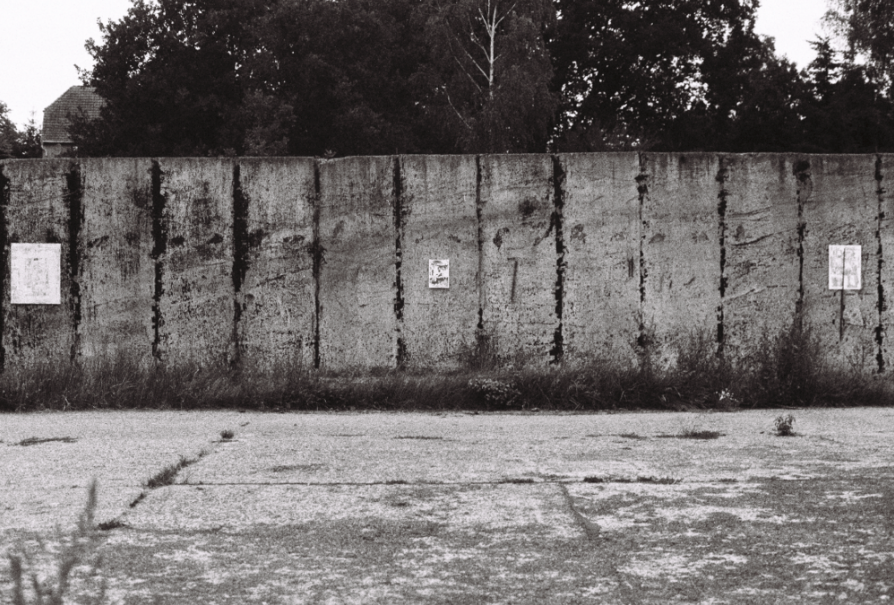
Solo Exhibition by Arthur Laidlaw
Exploring the conversation around neo-pagan communities, our relationship towards historical symbols and the manipulation of iconography in Northern Europe
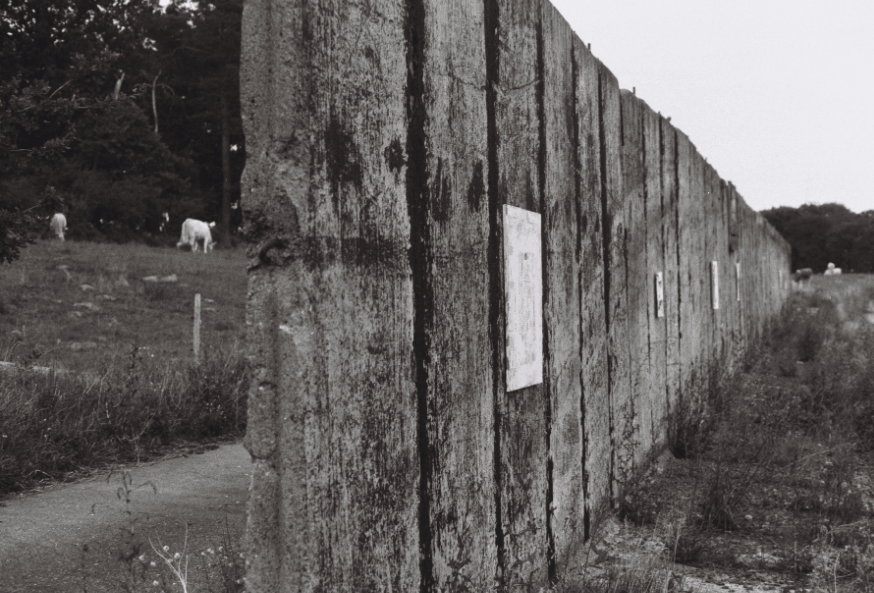
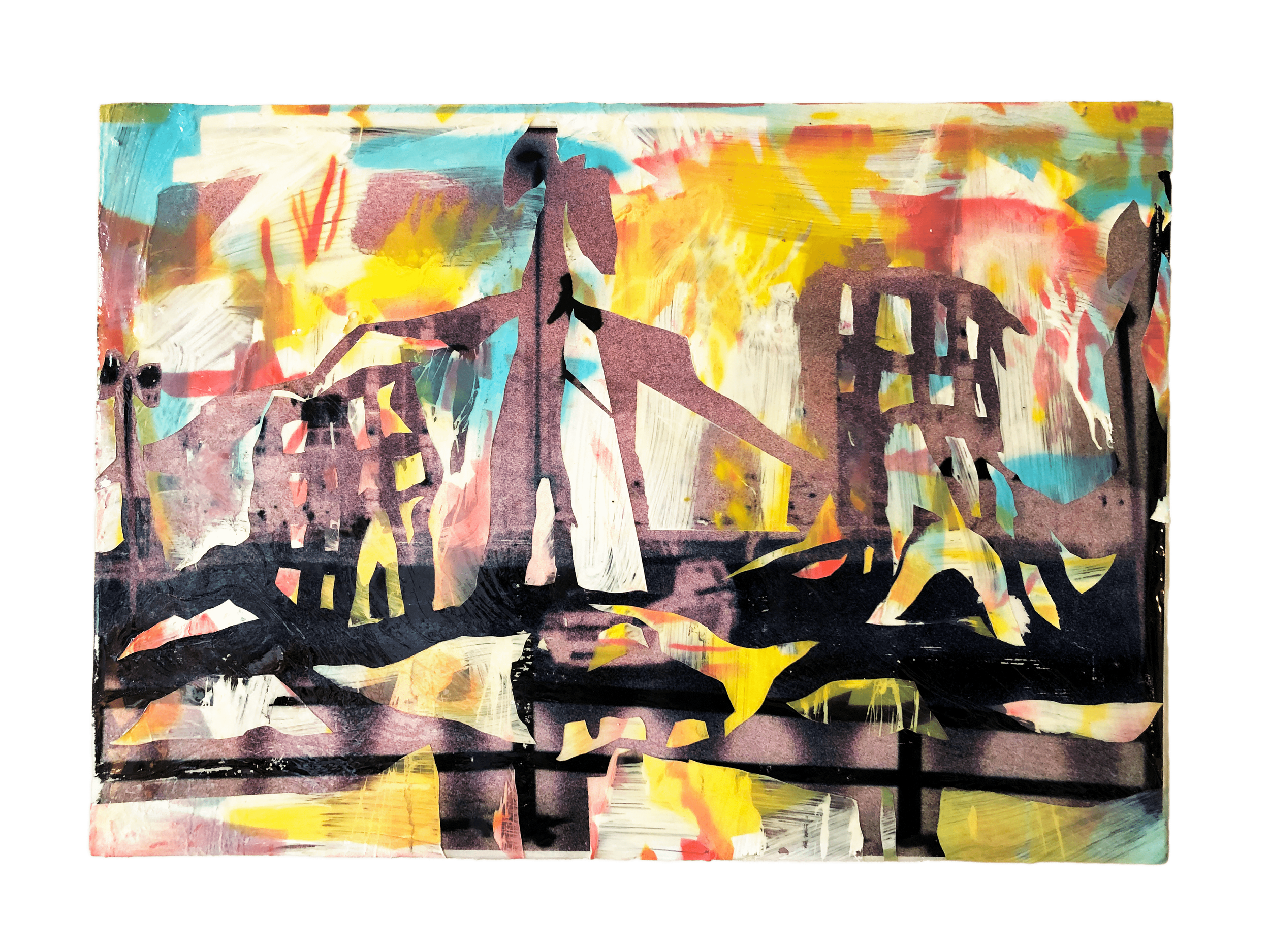
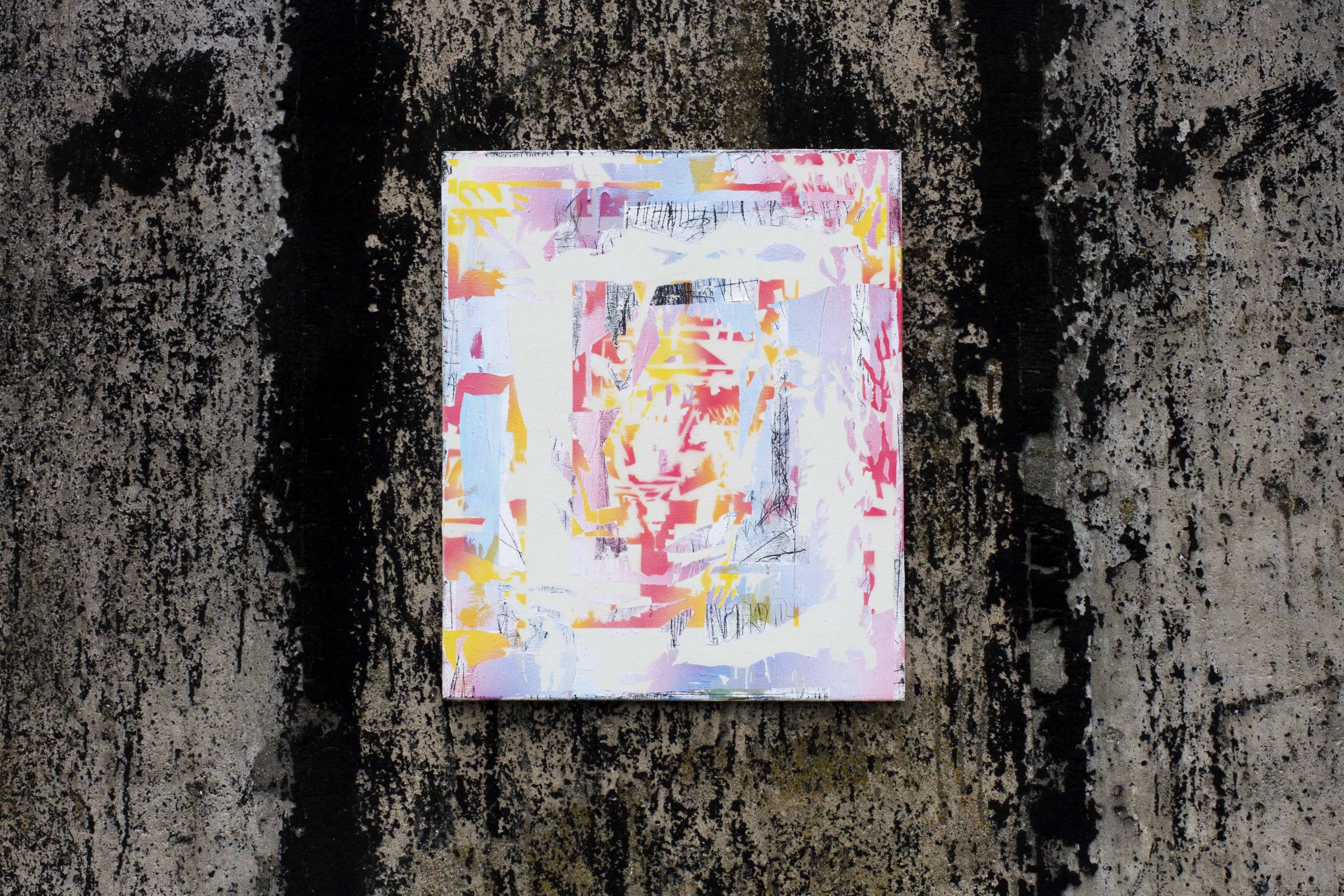
Press Release
This exhibition began with a journey to Sweden in 2018, where contemporary artist Arthur Laidlaw shadowed a New York Times journalist as he investigated the rise of Neo-pagans, and their use of religious symbolism as a mask for radical nationalism.
Runes, curated by Hugo Barclay, founder and curator of visual arts agency ArtThou is a timely exhibit, asking the viewer to consider untold stories and question our relationship to ancient symbolism in the present day.
Barclay explains, “Particularly in the context the #BLM movement – an uprising that necessarily involves the dismantling of many specific hierarchical structures and aesthetic symbols, which is itself frequently reappropriated – this exhibition seeks to engage with iconology, and the power held by visual icons. The latent authority of societally-embedded symbols can be quickly twisted and used for personal gain, as might be argued in the case of Mark Quinn’s undemocratically-erected statue of Jen Reid, in Bristol last week. Runes was built gradually, over the last two years of exploration, by British, Berlin based artist Arthur Laidlaw, aiming to make us think deeper about the untold stories behind these aesthetic codes and signifiers.”
Regarding the digital nature of the exhibition, Barclay continues, “Of course the physical component of art will always be of unique importance; these last few months have challenged our assumptions of what it means to exhibit. This unique online viewing experience will feature over thirty original works, showcased in an editorial format, where the works are hung and viewed across different indoor and outdoor spatial environments.”
British contemporary artist Arthur Laidlaw investigates the way in which cultural dialogue is etched into architecture and places across history, to the present status of Europe today.
Speaking about the original journey to Sweden that catalysed his interest in the themes of the show, Laidlaw explained, “Travelling through Sweden in February is starkly beautiful, yet undeniably bleak; the whiteness of the landscape felt more oppressive each day, as we confronted clear statements of xenophobia by many of our subjects. My hope is that these paintings echo the fairytale nature of my experience; a beguiling, persuasive facade, that sucks in the viewer – only to realise the true nature of the image as something horrifying, when it may already be too late.”
Laidlaw adds, “The coronavirus has had many unexpected consequences, but also some very predictable outcomes: new anti-immigration policies and legislation by the likes of Victor Orbán in Hungary, Andrzej Duda in Poland, Sebastian Kurz in Austria, and of course Donald Trump in the USA. The virus has presented a means for governments to enact so-called “justifiable” isolationist agendas; it is dressed up as a political reflection of the personal stay at home order. Sweden is no different.”
“Flawed policies in response to COVID-19 were driven by the country’s exceptionalism, and the disproportionate number of deaths of Swedes by Somali heritage is a further reminder of the country’s structural racism – both are the consequence of an emboldened radical nationalism within the country.”
New York Times journalist Richard Martyn-Hemphill who wrote the piece “Who Owns the Vikings?” Pagans, Neo-Nazis and Advertisers Tussle Over Symbols was shadowed by artist Arthur Laidlaw on his visit to Sweden at the time.
Richard Martyn-Hemphill said in a contributing foreword for the exhibit: “Over two years later and here we are: an online exhibition launched from a safe social distance. Such travels in Scandinavia feel a distant memory in our new abnormal. The recurrent vision of Swedish exceptionalism — whether through Vikings or Volvos, IKEA or ABBA — is back again, this time with the country’s response to the coronavirus. Most other nations bolted into government-enforced lockdown. Not the Swedes, though, who took a more voluntary approach that polarised international opinion, stoking fierce debates not unlike its unilateral decision to open doors to Syrian refugees five years before. Was this the cool-headed Scandinavian stereotype of public health pragmatism and sensible citizens following smart advice — or was it a needless sacrifice of human life at the altar of the economy?”
“Those debates over Sweden’s pandemic response will rage on, as they will in other countries. But back to the various trends we spotted on that trip in Sweden — rising nationalism, identity angst. Eclipsed as they are by the coronavirus, they are unlikely to recede at a time of hardening borders and economic storm clouds ahead.”